
Tom Torriglia The Accordion Maestro Bridging Italian American Music and Modern Entertainment
The accordion has long been associated with European folk traditions, but few musicians have done more to revitalize this iconic instrument for contemporary audiences than Tom Torriglia. Born on February 8, 1953, in San Francisco, this multi-Grammy-nominated songwriter and musical entertainer has dedicated over five decades to preserving Italian-American musical heritage while pushing the boundaries of what accordion music can be. As president of both Festa Records and Pierce-Beach Publishing, Torriglia has created a platform not just for his own artistry, but for an entire generation of accordion enthusiasts.
Torriglia's influence extends far beyond recordings and live performances. He spearheaded the effort that made the accordion San Francisco's official musical instrument in 1990, and established National Accordion Awareness Month, celebrated every June. Through his work with various ensembles and tireless promotion efforts, Tom Torriglia has emerged as perhaps the world's foremost composer of Italian-American music, a genre he has actively worked to reinvigorate over the past two decades.
The Musical Legacy of Tom Torriglia
From San Francisco Streets to Grammy Nominations
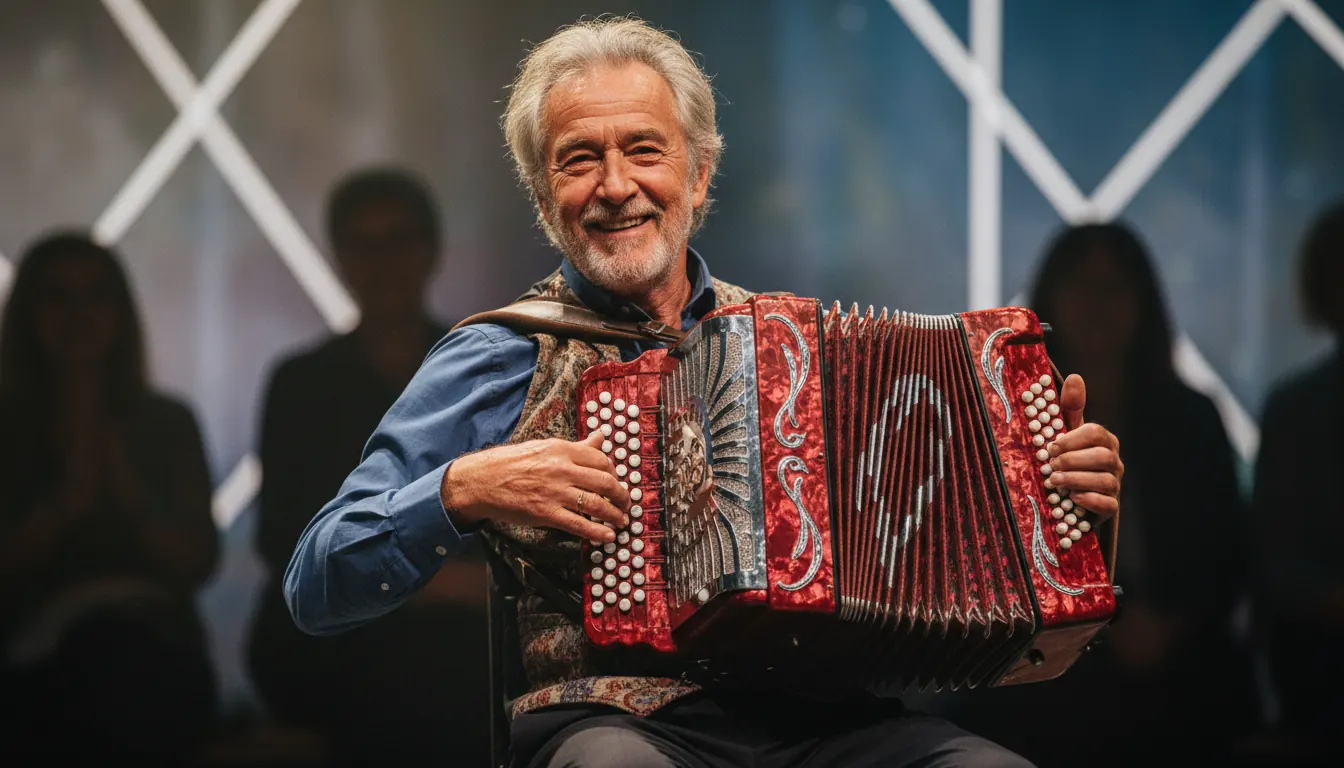
Tom Torriglia's journey from a young accordion student in San Francisco's Italian-American community to a Grammy-nominated artist represents a remarkable arc of dedication and innovation. Growing up in North Beach, Torriglia was surrounded by traditional folk music from an early age. However, rather than simply preserving these traditions, he understood that musical heritage must evolve to remain relevant. His approach has always been to honor the past while creating something fresh and contemporary.
His Grammy nominations recognize not just technical proficiency, but his ability to compose original works that capture the spirit of Italian-American experience. Unlike many traditional folk musicians who focus exclusively on interpretation, Torriglia has been a prolific songwriter, creating what he calls "new classic Italian-American songs." His music has been featured in national television commercials, most notably "The Pasta Song" which ran for three consecutive years in Carrabba's Restaurant advertisements, bringing his sound to millions of Americans.
President of Festa Records and Pierce Beach Publishing
In his dual roles as president of Festa Records and Pierce-Beach Publishing, Tom Torriglia has created an infrastructure that supports not only his own career but the broader accordion and Italian-American music community. Festa Records has become a vital label for artists working in this niche, providing distribution and promotion that might otherwise be unavailable in an industry increasingly focused on mainstream genres.
These business ventures reflect Torriglia's understanding that artistic success requires entrepreneurial thinking. Rather than waiting for major labels to recognize the value of accordion music, he built his own platforms. This independence has allowed him to maintain creative control while mentoring younger musicians who might otherwise struggle to find their footing in the music industry.
Multi-Instrumental Virtuoso and Cultural Ambassador
While the accordion remains his primary instrument, Tom Torriglia is far from a one-trick musician. He plays piano, keyboards, and guitar, bringing a comprehensive understanding of musical arrangement to his compositions. This versatility allows him to create richer, more textured recordings and makes his live performances more dynamic as he shifts between instruments.
Beyond his musical skills, Torriglia serves as a cultural ambassador for Italian-American heritage. Of northern Italian Ligurian descent, he holds dual citizenship with both the United States and Italy, currently residing in Genoa. This transatlantic perspective informs his music, which draws from both old-world traditions and new-world innovation. His work reminds audiences that cultural heritage is not static but something each generation reinterprets and makes their own.
Tom Torriglia's Iconic Works and Performances
Discography and Notable Albums
Tom Torriglia's recorded output represents a comprehensive exploration of Italian-American musical themes, from nostalgic ballads to upbeat polkas. His three major albums showcase different facets of his musical vision and compositional range.
| Album Title | Year Released | Label | Notable Tracks |
|---|---|---|---|
| Legends of the Italian Lounge | 2003 | Festa Records | "Nonna's Kitchen," "North Beach Nocturne" |
| Festivus Italiano | 2008 | Festa Records | "The Pasta Song," "Accordion Dreams" |
| Antipasto Rock | 2012 | Festa Records | "Bella Ciao (Modern Arrangement)," "San Francisco Serenade" |
Each album demonstrates Torriglia's commitment to creating "new classic" songs—compositions that feel timeless despite being recently written. "Legends of the Italian Lounge" established his voice as a composer, drawing on romantic, nostalgic sounds. "Festivus Italiano" expanded his palette to include more festive material, while "Antipasto Rock" incorporated rock, pop, and even punk influences into the accordion-based framework.
The Pasta Song and National Television Success
Perhaps no single composition has brought Tom Torriglia more mainstream recognition than "The Pasta Song," which became the soundtrack for Carrabba's Italian Grill national television commercials. Running for three consecutive years, this placement exposed millions of Americans to Torriglia's accordion playing and compositional style. The song perfectly captured the warmth and authenticity that many Americans feel toward Italian cuisine and culture.
This commercial success validated Torriglia's belief that accordion music could still find a place in contemporary American culture. The exposure led to increased album sales, more booking requests, and greater media attention for his advocacy work. It demonstrated that there was still significant commercial potential in folk-based, acoustic music in an era increasingly dominated by electronic production.
Bella Ciao and Italian American Musical Heritage
Among traditional songs in Torriglia's repertoire, "Bella Ciao" holds special significance. This Italian folk song, originally sung by rice field workers and later adopted as an anthem by Italian partisans fighting fascism during World War II, carries deep historical resonance. Torriglia's arrangements of "Bella Ciao" honor this history while making the song accessible to contemporary audiences.
The choice to prominently feature "Bella Ciao" reflects Torriglia's broader commitment to preserving Italian-American musical heritage. Rather than focusing exclusively on lighthearted entertainment, he ensures audiences encounter songs with historical weight and cultural significance. Through his performances and recordings, songs like "Bella Ciao" continue to circulate in Italian-American communities, maintaining connections to ancestral roots.
Championing the Accordion Across America
National Accordion Awareness Month Origins and Impact
In establishing National Accordion Awareness Month (NAAM), observed every June, Tom Torriglia created what may be his most enduring legacy. The concept emerged from his recognition that the accordion suffered from an image problem in American popular culture, often relegated to polka music stereotypes or used as a punchline. By creating a dedicated month of celebration and education, Torriglia gave accordion enthusiasts a platform to showcase the instrument's versatility.
NAAM has grown significantly since its inception, with events now taking place across the United States and internationally. Music schools offer accordion workshops, concert venues host accordion-focused performances, and media outlets run features on accordion history and contemporary players. The initiative has been covered by major publications including People Magazine, The New York Times, Chicago Tribune, and San Francisco Chronicle, bringing accordion music to new audiences.
San Francisco Accordion Festival and Annual Celebrations
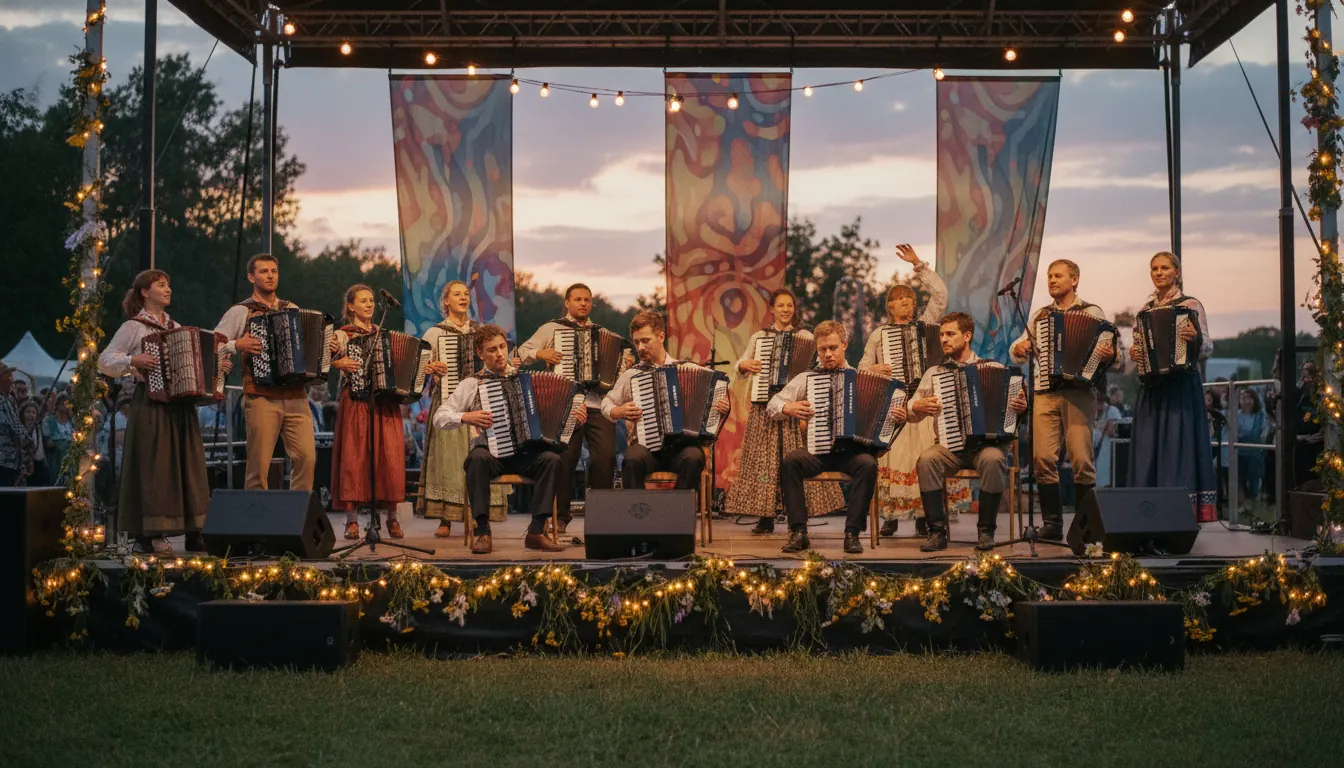
The San Francisco Accordion Festival stands as one of the premier annual events celebrating this instrument, and Tom Torriglia's involvement has been instrumental in its success. The festival brings together accordion players from diverse traditions—Italian, French, German, Mexican, Cajun, and more—demonstrating the instrument's truly global reach.
- The festival features multiple performance stages showcasing different accordion styles, from traditional European folk music to contemporary fusion experiments, giving attendees a comprehensive view of the instrument's range and versatility across genres and cultures.
- Educational workshops led by master accordionists provide hands-on learning opportunities for players of all skill levels, from absolute beginners trying the instrument for the first time to advanced players seeking to refine specific techniques.
- Vendor halls display both vintage and modern accordions, allowing enthusiasts to compare craftsmanship across eras while also providing opportunities to purchase instruments, sheet music, and accordion-related merchandise.
- Community jam sessions create informal spaces where accordionists can meet, network, and collaborate spontaneously, fostering musical cross-pollination that leads to innovation and keeps traditional music forms evolving.
- The festival's impact extends beyond the event itself, generating year-round interest in accordion music through recordings, media coverage, and personal connections formed between musicians and audience members.
The festival atmosphere is notably inclusive and celebratory. Torriglia's influence can be felt in this approach—he has always emphasized community building over gatekeeping, welcoming newcomers enthusiastically rather than enforcing rigid definitions of authenticity.
Making the Accordion San Francisco's Official Musical Instrument
In 1990, Tom Torriglia achieved what might have seemed impossible: convincing the San Francisco Board of Supervisors to designate the accordion as the city's official musical instrument. This legislative victory required making a compelling case for the accordion's historical significance to San Francisco's cultural identity. He emphasized the instrument's centrality to Italian-American, Irish-American, and other immigrant communities.
The designation has had practical consequences beyond symbolic recognition. It provided institutional validation that helped secure funding for accordion education programs in schools and justified accordion performances at city-sponsored cultural events. Every time San Francisco's official instrument is mentioned in media coverage, it normalizes the accordion and challenges stereotypes about it being merely a novelty instrument.
Music and Casino Entertainment The Accordion in Gaming Venues
How Italian Music Enhances the Casino Atmosphere at Lady of Spain
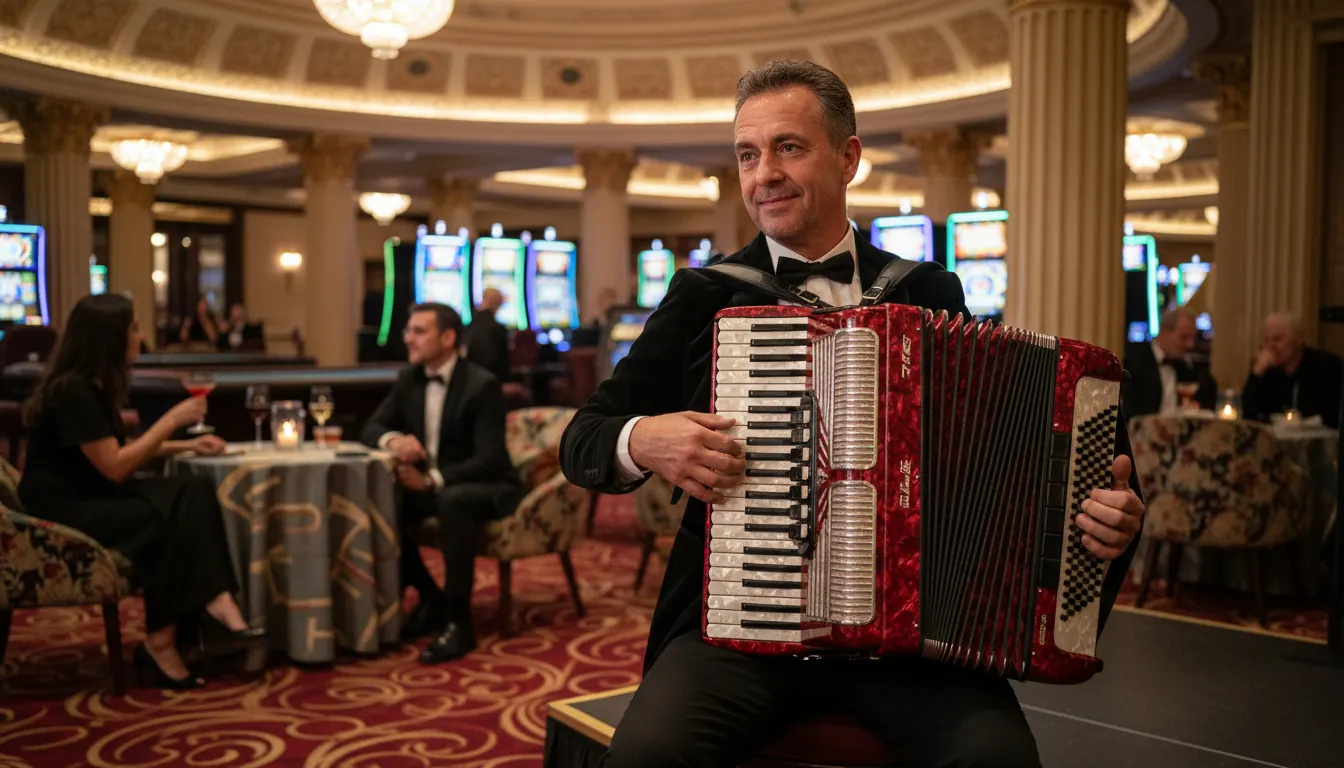
The intersection of music and casino entertainment represents a fascinating dimension of Tom Torriglia's broader cultural impact. While Torriglia himself may not perform regularly in gambling establishments, his work in popularizing Italian-American music has influenced how venues like ladyofspain and other entertainment spaces think about ambiance and cultural authenticity. Italian music, particularly accordion-based compositions, creates a specific atmospheric quality that casino operators have recognized as valuable for memorable guest experiences.
The presence of Italian musical traditions in casino environments connects to the broader Mediterranean cultural association with leisure, celebration, and social gathering. When guests hear accordion melodies flowing through a venue, it triggers associations with Italian festivals, family gatherings, and joyful communal experiences that casinos aim to replicate. This is particularly true for casino restaurants and bars, where live accordion performances can transform an ordinary meal into a memorable cultural experience.
Top Reasons Live Accordion Music Elevates Casino Experiences
The strategic use of live music, particularly accordion performances, in casino settings reflects sophisticated understanding of how sensory environments influence guest behavior and satisfaction. Operators at venues like ladyofspain have recognized that music is not merely background noise but an active component of entertainment value.
- Accordion music creates an immediately identifiable cultural ambiance that transports guests to a specific time and place, evoking Italian trattorias or French cafes, which encourages guests to relax, linger longer, and engage more fully with the venue's offerings beyond just gaming.
- Live performances provide visual entertainment that gives guests a break from gaming intensity, offering a focal point that can shift attention and reset emotional states, creating natural pause points rather than continuous hypnotic play.
- The accordion's unique tonal qualities—neither too loud nor too soft—create an ideal sonic environment that doesn't overwhelm conversation yet provides enough presence to fill acoustic space, solving key challenges in creating comfortable yet energetic atmospheres.
- Cultural authenticity through music creates storytelling opportunities that casinos can leverage in marketing and branding, positioning themselves as destinations rather than just gambling facilities, appealing to visitors who see gaming as one component of broader entertainment.
- Live accordion performers can interact with guests in ways recorded music cannot, taking requests, sharing stories about songs and traditions, and creating personalized moments that generate positive memories and encourage return visits.
The music and casino connection that performers like Tom Torriglia have helped establish demonstrates how traditional musical forms can find new commercial contexts without compromising artistic integrity. The accordion's presence in entertainment venues represents cultural adaptation—the same music that once filled neighborhood social halls now enhances contemporary entertainment spaces.
The Psychology of Music in Gaming Environments
Research into casino design has consistently demonstrated that music significantly influences gambling behavior, emotional states, and overall guest satisfaction. The tempo, volume, and style of music can affect how quickly people play, how much they wager, and how long they remain in a venue. Italian accordion music, with its moderate tempos and recognizable melodies, strikes an effective balance that serves multiple operational objectives simultaneously.
Beyond influencing gaming behavior, music serves crucial functions in shaping overall venue perception and brand identity. Casinos increasingly compete not just on gaming offerings but on total experience quality. The incorporation of live musical traditions like those championed by Torriglia helps differentiate venues in a crowded marketplace. When guests can tell friends about the wonderful accordion player they heard while dining, it creates a more compelling narrative than simply reporting gambling outcomes.
Tom Torriglia's Bands and Collaborative Projects
Performance Groups and Their Unique Styles
Throughout his career, Tom Torriglia has worked with numerous ensembles, each offering different interpretations of accordion-based music. These collaborations have allowed him to explore various facets of his musical personality while reaching different audiences with different tastes and expectations.
| Band Name | Musical Style | Formation Year | Notable Venues |
|---|---|---|---|
| Gold Lame | Oldies covers with accordion | 1978 | San Francisco Bay Area clubs |
| Stardust | Wedding and event band | 1985 | Hotels, convention centers nationwide |
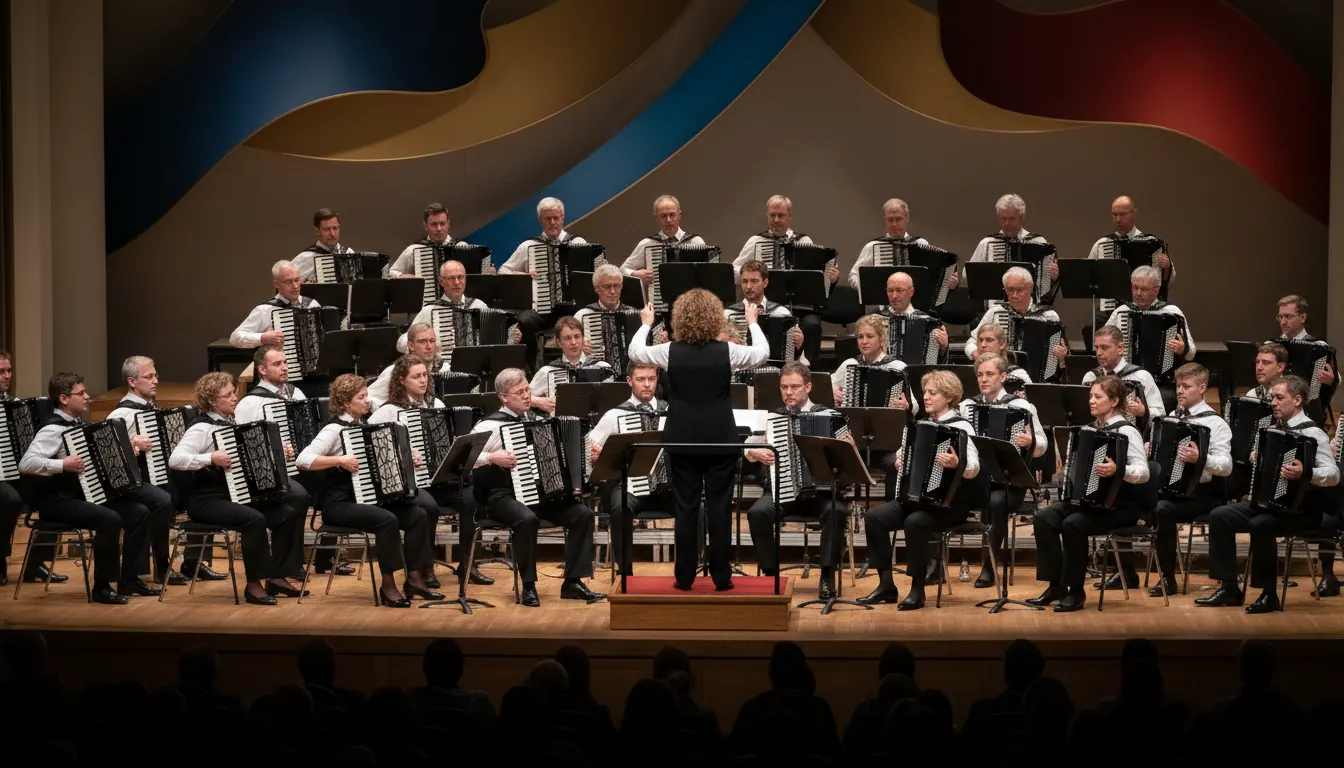
| Those Darn Accordions | 10-piece accordion orchestra | 1989 | Concert halls, festivals internationally |
| The Squeegees | Traditional polka band | 1992 | Community festivals, cultural centers |
Each ensemble serves different musical and social functions. Gold Lame brought accordion into the context of familiar oldies hits. Stardust specialized in the wedding and corporate event circuit. Those Darn Accordions represented his most ambitious ensemble project, featuring ten accordion players creating orchestral textures. The Squeegees maintained connections to traditional polka music.
Gold Lame Stardust Those Darn Accordions and The Squeegees
Among these various projects, Those Darn Accordions deserves particular attention as perhaps the most innovative and culturally significant. The concept of a ten-accordion orchestra was radical when formed in 1989, challenging assumptions about the instrument's role and capabilities. Rather than background accompaniment, the accordions became the entire sonic landscape, creating walls of sound that could rival traditional orchestras.
The success of Those Darn Accordions opened doors for accordion music more broadly, proving to skeptical venue operators and festival organizers that accordion-based acts could draw significant audiences. The group toured internationally, bringing San Francisco's accordion culture to stages worldwide and inspiring similar ensembles in other cities. For Torriglia, this project represented the culmination of his advocacy work—undeniable proof that the accordion could be cool, relevant, and artistically serious.
International Tours and Cultural Exchange Programs
Tom Torriglia's international touring has been crucial in maintaining connections between Italian-American communities and their ancestral homeland. His performances in Italy have introduced Italian audiences to how their musical traditions have evolved in the American context, creating interesting dialogues about authenticity, innovation, and cultural ownership.
These cultural exchange experiences have enriched Torriglia's own musical understanding, exposing him to regional variations in Italian folk music that might not have survived in American immigrant communities. He has incorporated these discoveries into his compositions, creating hybrid forms that honor multiple traditions simultaneously. Torriglia's international work demonstrates that cultural preservation and cultural innovation are not opposing forces but complementary aspects of living tradition.
FAQ
Do they play music in casinos?
Yes, virtually all casinos incorporate music into their environments, though approaches vary significantly. Some venues rely on recorded background music carefully calibrated to influence guest behavior, while others feature live performers ranging from solo pianists to full bands. The music and casino relationship is deeply strategic, with operators understanding that sonic environments significantly impact guest emotions, energy levels, and spending patterns. Higher-end casinos increasingly invest in quality live entertainment, recognizing that memorable musical experiences differentiate their venues.
Why do casinos play music?
Casinos use music for multiple strategic purposes beyond simple entertainment. Music masks mechanical sounds of slot machines, creating a more pleasant acoustic environment. It influences the pace of play, with faster tempos generally accelerating gambling activity while slower music encourages lingering. Music also serves branding functions, helping establish venue identity and target specific demographics. Additionally, quality musical entertainment provides value to guests who may not be primarily interested in gambling.
What is National Accordion Awareness Month?
National Accordion Awareness Month, observed every June, is an initiative founded by Tom Torriglia to celebrate the accordion and challenge negative stereotypes surrounding the instrument. The month features concerts, workshops, media coverage, and educational programs across the United States and internationally. NAAM has successfully raised the accordion's profile, generating coverage in major publications and introducing new audiences to the instrument's versatility.
Who is Tom Torriglia?
Tom Torriglia is a multi-Grammy-nominated songwriter, accordionist, and president of Festa Records and Pierce-Beach Publishing. Born in San Francisco in 1953, he has dedicated his career to preserving and reinvigorating Italian-American musical traditions while demonstrating the accordion's contemporary relevance. He established National Accordion Awareness Month, led the effort to make the accordion San Francisco's official musical instrument, and has recorded three major albums of original Italian-American compositions.
What is the San Francisco Accordion Festival?
The San Francisco Accordion Festival is an annual celebration bringing together accordion players and enthusiasts from diverse musical traditions. The event features multiple performance stages, educational workshops, vendor exhibitions, and community jam sessions. The festival showcases the accordion's versatility across genres including Italian, French, German, Mexican, and contemporary fusion styles. Tom Torriglia's involvement has been instrumental in the festival's success, helping create an inclusive atmosphere that attracts both serious musicians and curious newcomers.
What does Bella Ciao mean in Italian culture?
"Bella Ciao" translates as "Goodbye Beautiful" but carries deep historical significance beyond its simple lyrics. Originally a folk song sung by rice field workers in northern Italy, it was adopted by Italian partisans fighting fascism during World War II, becoming an anthem of resistance and freedom. For Italian-Americans like Tom Torriglia who performs the song regularly, "Bella Ciao" represents a connection to ancestral struggles and values, serving as a reminder that Italian cultural heritage includes courage and principled resistance.
How did the accordion become San Francisco's official instrument?
The accordion became San Francisco's official musical instrument in 1990 through advocacy efforts led by Tom Torriglia, who convinced the Board of Supervisors of the instrument's historical significance to the city's cultural identity. Torriglia emphasized the accordion's centrality to immigrant communities—particularly Italian, Irish, and others—who had used the instrument's portability to create neighborhood musical traditions. This official recognition provided institutional support for accordion education programs and helped legitimize the instrument.
What role does live music play in modern casino entertainment?
Live music has become increasingly central to casino business models as operators recognize that contemporary guests seek comprehensive entertainment experiences rather than just gambling opportunities. Quality musical performances encourage longer visits, higher satisfaction ratings, and stronger emotional connections to venues. Casinos now compete partly on the strength of their entertainment offerings, with some venues becoming known primarily as music destinations that happen to offer gaming.
Conclusion
Tom Torriglia's five-decade career represents more than individual artistic achievement—it demonstrates how dedication, innovation, and strategic advocacy can preserve cultural traditions while adapting them for contemporary relevance. From his Grammy-nominated compositions to his establishment of National Accordion Awareness Month, from making the accordion San Francisco's official instrument to his tireless touring work, Torriglia has fundamentally reshaped how Americans think about the accordion and Italian-American music. His influence extends into unexpected contexts, including the music and casino entertainment sphere, where his popularization of Italian accordion traditions has helped venues create distinctive, culturally rich atmospheres. Through Tom Torriglia's efforts, the accordion has secured its place not as a relic of the past but as a vibrant voice in contemporary music.